Taste of the North: Inside Edmonton’s Underrated Food Scene
Edmonton isn’t the first city that comes to mind when you think of Canadian food hotspots—but it should be. Far beyond poutine and maple syrup, this northern capital offers a rich, evolving food culture shaped by Indigenous roots, prairie ingredients, and waves of immigration. From bustling farmers' markets to cozy hole-in-the-wall eateries, I discovered flavors that surprised and delighted me at every turn. This is real, unfiltered culinary storytelling—where tradition meets innovation on the plate. More than just a stopover between Banff and the Arctic Circle, Edmonton is a destination where food tells the story of resilience, community, and creativity in one of Canada’s most underrated cities.
A City Misunderstood on the Plate
When travelers think of Canadian cuisine, their minds often drift to the coastal seafood of British Columbia or the historic bistros of Quebec City. Rarely does Edmonton make the list, despite its deep culinary soul. Nestled along the North Saskatchewan River and surrounded by vast stretches of prairie and boreal forest, the city’s geography plays a defining role in its food identity. Long, harsh winters and short growing seasons have shaped a culture of preservation, resourcefulness, and seasonal awareness—values that are now at the heart of its modern food movement. What sets Edmonton apart is not flash or fame, but authenticity. This is a city where meals are rooted in necessity, tradition, and a genuine love for craft.
The misconception that Edmonton lacks a vibrant food scene stems from outdated assumptions. For decades, the city was seen primarily as an oil and gas hub, its cultural offerings overshadowed by economic narratives. But as the industry has diversified, so too has the city’s identity. A growing population, increased cultural diversity, and strong municipal support for local enterprise have all contributed to a renaissance in food. Restaurants are no longer importing trends—they are creating them, drawing from the land, the seasons, and the stories of the people who live here. The result is a cuisine that feels both grounded and forward-thinking, where every bite reflects a deeper connection to place.
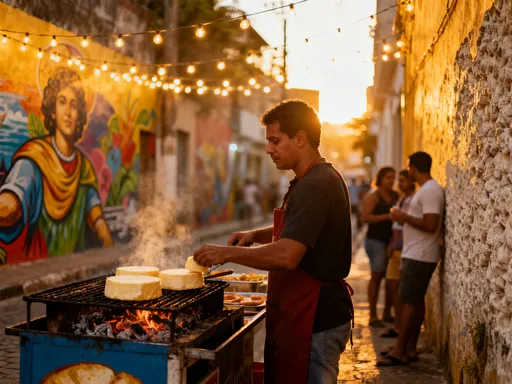
What makes Edmonton’s food culture particularly compelling is its accessibility. Unlike larger metropolitan centers where dining can feel exclusive or overly curated, Edmonton’s culinary landscape remains deeply democratic. You won’t find many white-tablecloth establishments demanding reservations months in advance. Instead, you’ll encounter community-driven spaces—food trucks, market stalls, family-run diners—where the focus is on flavor, not formality. This inclusivity extends to pricing, service, and hospitality. Chefs often greet customers by name; farmers share growing tips with curious shoppers. In Edmonton, food is not a performance—it’s a conversation.
The Heartbeat of Local: Why Farmers' Markets Define Edmonton’s Flavors
If there’s one place that captures the spirit of Edmonton’s food scene, it’s the farmers' market. The Edmonton City Market, held year-round in the historic Old Strathcona district, is more than a place to buy groceries—it’s a weekly celebration of local life. On any given Saturday, the air fills with the scent of wood-fired bread, wild mint tea, and slow-roasted garlic sausages. Vendors display baskets of golden saskatoon berries, jars of raw honey from prairie hives, and wheels of goat cheese aged in natural caves. These are not mass-produced goods shipped from distant farms, but handcrafted items grown, harvested, and prepared within a hundred-mile radius.
Equally vibrant is the Southgate Farmers Market in southeast Edmonton, a multicultural hub where the produce reflects the city’s diverse population. Here, you’ll find Armenian herbs, Korean chili peppers, and Ethiopian teff flour sitting beside Alberta-grown potatoes and heirloom carrots. Many vendors are first- or second-generation immigrants who grow specialty crops for their communities, ensuring that traditional dishes remain possible far from home. The market isn’t just a retail space—it’s a network of relationships, where farmers and customers exchange stories, recipes, and seasonal updates. This direct connection fosters trust and transparency, values that are increasingly rare in modern food systems.
What makes these markets so essential is their role in shaping the city’s culinary backbone. Local chefs source ingredients here, building menus around what’s fresh and available. Restaurants like RGE RD and The Marczyk have built reputations on hyper-seasonal dishes that change weekly, even daily, depending on market offerings. Foragers also play a key role, harvesting wild mushrooms, fiddleheads, and spruce tips from nearby forests and riverbanks. These ingredients, once considered survival foods, are now prized for their unique flavors and connection to the land. By prioritizing local sourcing, Edmonton’s food scene reduces its environmental footprint while supporting small-scale agriculture and food sovereignty.
Indigenous Flavors: Rediscovering the Roots of Northern Cuisine
Beneath the modern streets of Edmonton flows a deep Indigenous food tradition that predates colonization by thousands of years. The land on which the city stands is part of Treaty 6 territory, home to the Plains Cree, Woodland Cree, Nakota Sioux, and Métis peoples. Their culinary heritage—built on bison, fish, berries, roots, and wild game—forms the original foundation of northern Canadian cuisine. Today, a quiet but powerful revival is underway, as Indigenous chefs, elders, and knowledge keepers reclaim food as a source of identity, health, and cultural continuity.
In recent years, Indigenous-owned food initiatives have gained visibility across the city. Pop-up dinners featuring bison tartare with juniper berry vinaigrette, or three-sisters stew made with heirloom corn, beans, and squash, are no longer rare occurrences. Events like the annual Indigenous Food Experience, hosted in partnership with local organizations, offer immersive tastings that educate as much as they nourish. These gatherings are not performances for tourists—they are acts of cultural reclamation, where traditional knowledge is shared with respect and intention. Diners are often invited to learn about the significance of each ingredient, the history of its use, and the values behind sustainable harvesting.
One of the most promising developments is the integration of Indigenous ingredients into mainstream restaurants. Cedar-planked salmon, traditionally cooked over open fires, now appears on menus at upscale eateries that collaborate with Indigenous suppliers. Wild rice harvested from northern lakes, known for its nutty flavor and high nutritional value, is used in salads and stuffings. Even bannock, a food with complex colonial roots, is being reinterpreted with pride—some vendors use traditional stone-ground cornmeal, while others incorporate sprouted grains for better digestion. These efforts reflect a growing awareness that Indigenous food is not a relic of the past, but a living, evolving cuisine with much to offer modern palates.
Immigrant Kitchens: How Global Communities Shape the City’s Palate
Edmonton’s culinary richness is inseparable from its people. Over the past three decades, the city has welcomed waves of immigrants from the Middle East, South Asia, Southeast Asia, East Africa, and Eastern Europe. Each community has brought with it a treasure trove of flavors, cooking techniques, and food traditions that have quietly transformed the city’s dining landscape. Neighborhoods like the Middle East District along 97 Street and the bustling corridor of Jasper Avenue have become epicenters of global taste, where the aroma of cardamom, cumin, and lemongrass drifts from open kitchen doors.
In the Middle East District, family-run shops offer freshly baked malawah, flaky Somali flatbread cooked on a griddle, and spiced lentil stews served with injera. Afghan bakeries produce fragrant naan brushed with saffron butter, while Lebanese grocers stock jars of preserved lemons and house-made harissa. Just a few blocks away, South Asian restaurants serve butter chicken with house-churned ghee and hand-rolled parathas, while Filipino carinderias offer daily rotating menus of adobo, sinigang, and kare-kare—dishes that taste like home to thousands of Edmontonians.
These immigrant kitchens do more than feed the body—they preserve culture, sustain families, and build community. Many restaurants are run by women who once cooked for their households and now feed the city, turning personal recipes into small businesses. Their kitchens are often modest, located in strip malls or basement suites, but the food is exceptional in its authenticity. For customers, dining at these spots is not just about flavor—it’s about connection. Conversations happen in multiple languages; children help pack takeout orders; elders sit in the back, sipping tea and sharing stories. Food becomes a bridge between the old world and the new, a way to honor the past while building a future in a new land.
Prairie Innovation: Chefs Redefining Northern Terroir
While tradition anchors Edmonton’s food scene, innovation propels it forward. A new generation of chefs is redefining what northern cuisine can be, using local ingredients in unexpected ways. These culinary artists are not chasing global trends—they are responding to their environment, crafting dishes that reflect the realities of the prairie. Alberta-grown rye, barley, and heritage wheat are milled in-house and turned into sourdough loaves with deep, earthy flavors. Cold-climate vegetables like kohlrabi, rutabaga, and celeriac are roasted, fermented, or shaved raw into salads, showcasing their versatility.
Game meats, once staples of frontier diets, are now being elevated to fine dining status. Bison, elk, and venison appear on menus with modern preparations—bison tartare with pickled onions and quail egg, elk loin with juniper jus, venison sausages with fermented cabbage. These proteins are not only sustainable but deeply connected to the region’s ecology. Many chefs work directly with Indigenous hunters and ethical ranchers to ensure humane, respectful sourcing. The result is meat that tastes cleaner, richer, and more intentional than anything factory-farmed.
Fermentation and preservation, born out of necessity in long winters, have become artistic expressions. Local chefs ferment beets, carrots, and even milk into probiotic-rich condiments. Some create their own vinegars from apple scraps or brew kombucha infused with wild herbs. These techniques extend the growing season, reduce waste, and deepen flavor profiles. In kitchens across the city, the line between chef and farmer, between cook and scientist, is blurring. The prairie is no longer seen as a limitation—it’s a canvas.
Hidden Gems: The Unassuming Spots That Serve the Best Bites
Some of Edmonton’s most memorable meals are found in places you’d easily walk past. There’s no neon sign, no online reservation system, no Instagrammable plating—just delicious food made with care. Take the Ukrainian dumpling joint tucked into a northeast strip mall, where rows of handmade pierogi are folded every morning by women who learned the craft from their grandmothers. The waitlist stretches for months, but those in the know call ahead or arrive early to secure a tray of potato and cheddar or sauerkraut and mushroom dumplings, steamed and served with sour cream and fried onions.
Then there’s the Filipino carinderia in Mill Woods, a no-frills eatery with plastic tables and a chalkboard menu that changes daily. One day it might be chicken adobo simmered for hours in soy and vinegar; the next, a rich beef kare-kare with peanut sauce and oxtail. The owner, a former nurse who moved to Canada two decades ago, cooks the same dishes she made for her children when they were growing up. Customers include longtime regulars, new immigrants craving comfort, and curious food lovers willing to venture beyond downtown.
And who could forget the tiny Scandinavian café in Old Strathcona, open only on weekends, serving the best cardamom buns in the province? Made with organic flour, house-churned butter, and real ground cardamom, each bun is twisted by hand and baked until golden. Locals line up before sunrise, clutching thermoses of coffee and chatting in the crisp morning air. These hidden gems are not hidden by design—they simply don’t need the spotlight. Their reputation grows through word of mouth, shared meals, and the kind of loyalty that only authentic food can inspire.
Planning Your Culinary Trip: When to Go, Where to Eat, How to Explore
For travelers eager to experience Edmonton’s food culture, timing is everything. The best months to visit are late spring through early fall, when farmers' markets are in full swing and outdoor patios buzz with energy. June brings the Taste of Edmonton festival, a ten-day celebration where over fifty local restaurants set up tasting booths along the river valley, offering bite-sized versions of their signature dishes. It’s a perfect way to sample a wide range of flavors in one place, from bison sliders to mango lassi.
July hosts the Heritage Festival, one of North America’s largest multicultural events. Over 100 pavilions represent different countries, each serving traditional dishes prepared by community volunteers. You can taste Ethiopian doro wat, Ukrainian varenyky, Filipino pancit, and Lebanese tabbouleh—all in a single afternoon. The festival is not just about food; it’s a joyful expression of Edmonton’s diversity, with music, dance, and storytelling woven throughout.
For a more intimate experience, consider a guided food tour led by local experts who take small groups to off-the-beaten-path eateries. These tours often include visits to markets, behind-the-scenes kitchen talks, and opportunities to meet chefs and farmers. Accommodations near Old Strathcona or downtown put you within walking distance of many top spots, while public transit—especially the LRT—makes it easy to explore farther neighborhoods. When dining, approach each meal with curiosity and respect. Ask about ingredients, listen to stories, and support small businesses. Slow down. Taste mindfully. Let the city reveal itself one plate at a time.
Edmonton’s Table Is Open—And It’s Full of Stories
Edmonton’s culinary scene may not have the international fame of Toronto or Vancouver, but it possesses something rarer: authenticity. Here, food is not a spectacle—it’s a reflection of who people are and where they come from. It’s the farmer rising at dawn to harvest berries before the frost lifts, the immigrant mother cooking her childhood recipes for a new generation, the chef fermenting beets because winter demands creativity. Every meal tells a story of resilience, adaptation, and belonging.
What makes Edmonton truly special is its openness. The city doesn’t put up barriers between cultures, classes, or cuisines. You can eat bison at a fine dining restaurant one night and Somali malawah from a food truck the next, and both feel equally valid, equally celebrated. This inclusivity is not performative—it’s woven into the fabric of daily life. In a world where food is often commodified or trend-driven, Edmonton reminds us that the most meaningful meals are those shared with others, rooted in place, and made with care.
To visit Edmonton is not just to taste new flavors—it is to become part of a living story. The invitation is simple: come, pull up a chair, and dig in. Share a plate with a stranger. Ask about the origins of a dish. Learn a recipe. Let the food move you, teach you, connect you. Because in Edmonton, the table is always open—and it’s full of stories waiting to be heard.