This Is Why Kanazawa Is Japan’s Most Instagrammable Art Haven
You know that feeling when a city just wows you? Kanazawa did that to me. Nestled on Japan’s coast, it’s a dreamy blend of centuries-old culture and jaw-dropping aesthetics. From golden temples to misty gardens and vibrant crafts, every corner feels like a curated art piece. I didn’t expect to fall this hard—but trust me, your camera (and soul) will thank you. This is art, culture, and beauty in perfect harmony. More than just a stop on a Japan itinerary, Kanazawa offers a rare balance: deeply traditional yet quietly modern, serene yet rich with creative energy. It’s a city where history isn’t preserved behind glass but lives in the hands of artisans, the patterns of silk, and the light filtering through paper lanterns at dusk. For travelers seeking authenticity with visual magic, this is a destination that delivers at every turn.
The Golden Glow of Kanazawa’s Cultural Heart
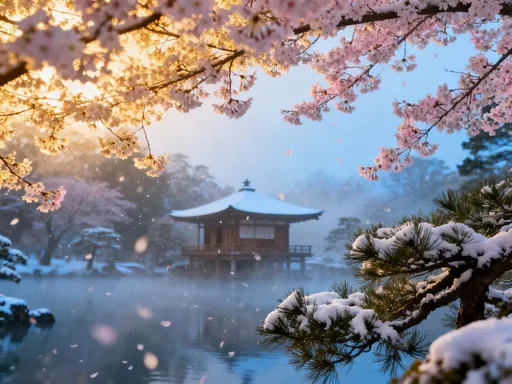
Kanazawa’s soul is best discovered in its green heart—Kenrokuen Garden, widely celebrated as one of Japan’s Three Great Gardens. This isn’t just a park; it’s a masterclass in landscape design, where every path, pond, and tree placement follows principles refined over centuries. What sets Kenrokuen apart is its embodiment of six essential garden attributes: spaciousness, seclusion, artifice, antiquity, watercourses, and panoramas—all harmonized in a way few places achieve. As sunlight glimmers on the surface of Kotoji Pond or snow drapes the iconic yukizuri pine structures in winter, the garden transforms into a living painting. In spring, delicate cherry blossoms frame the teahouses, while autumn brings a quiet blaze of crimson and gold maples.
The garden’s beauty is not accidental but deeply intentional, rooted in Edo-period aesthetics that value balance, imperfection, and the passage of time. Each season offers a distinct photographic narrative. For optimal light and fewer crowds, visiting at dawn or late afternoon provides soft, golden-hour illumination that enhances textures and depth. Early mornings also bring a sense of solitude, with mist rising gently from the ponds and only the occasional visitor or gardener breaking the silence. Kenrokuen is not just picturesque—it invites mindfulness, a slowing down to appreciate subtle details like the curve of a bridge or the way shadows fall across moss-covered stones.
Adjacent to the garden, Kanazawa Castle stands as a testament to the city’s historical significance. Though much of the original structure was lost to fire, the reconstructed buildings—including the elegant Gojikken Nagamony gate—faithfully reflect 17th-century design and craftsmanship. The castle grounds offer elevated views of the city and the garden, creating ideal vantage points for wide-angle shots. The interplay of architecture and nature is especially striking in winter, when snow blankets the rooftops and wooden beams, enhancing the sense of timelessness. Together, Kenrokuen and Kanazawa Castle form a cultural axis that defines the city’s identity—graceful, enduring, and deeply connected to Japan’s artistic legacy.
For visitors, the key to fully appreciating this area lies in pacing. Rather than rushing through, allow time to sit by a pond, observe the changing light, or pause at one of the small teahouses for matcha. These moments often yield the most authentic photographs—not staged, but captured in stillness. Respectful photography etiquette, such as avoiding flash near historical structures and not stepping on protected grounds, ensures these spaces remain preserved for future generations. The golden glow of Kanazawa begins here, not just in literal sunlight, but in the enduring radiance of culture thoughtfully maintained.
Walking Through Art: The Higashi Chaya District Vibes
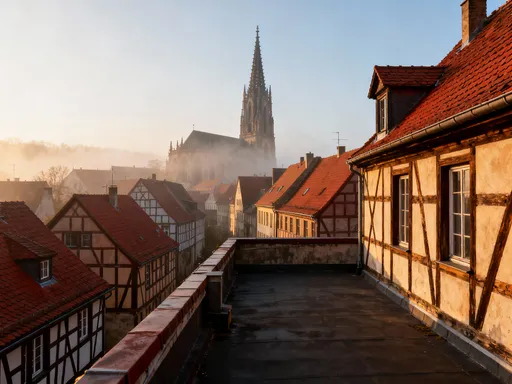
Just a short walk from Kenrokuen lies the Higashi Chaya District, one of Kanazawa’s best-preserved geisha quarters. Stepping into this neighborhood is like entering a different era—wooden machiya townhouses with latticed windows line narrow, cobbled streets, their dark timber glowing under the warm light of paper lanterns. The air carries a hush, broken only by the distant chime of a temple bell or the soft clack of geta sandals on stone. This is not a museum exhibit but a living quarter, where tradition continues in quiet dignity. Tea houses still host geiko (the local term for geisha) performances, and visitors can glimpse the refined world of Japanese hospitality through reserved cultural experiences.
The district’s charm lies in its authenticity. Unlike more commercialized historic areas in other cities, Higashi Chaya retains a sense of intimacy and calm. Many buildings are centuries old, their architecture reflecting the sophisticated aesthetics of the Edo and Meiji periods. Lattice work, sliding doors, and hidden courtyards speak to a design philosophy that values subtlety and privacy. For photography, the interplay of light and shadow creates endless opportunities—morning sun filtering through wooden screens, lanterns glowing at twilight, or rain-kissed streets reflecting the warm hues of traditional facades. These moments don’t require filters; they are inherently cinematic.
Along the main street, small shops offer a glimpse into Kanazawa’s artisanal culture. You’ll find boutiques selling hand-painted fans, delicate kimonos, and, of course, gold-leaf confections—a local specialty. One of the most photographed treats is the gold-dusted melon pan, its shimmering surface catching the light like a jewel. These shops are often run by families who have practiced their craft for generations, adding a personal touch to the visitor experience. While it’s tempting to photograph every detail, it’s important to be respectful—ask before taking pictures inside shops or of people engaged in cultural practices.
For those seeking a deeper connection, a reserved tea ceremony or a geiko performance offers a rare window into this refined world. These experiences are not performances for tourists but continuations of a living tradition. They unfold with grace and precision, each gesture carrying meaning. Capturing such moments requires sensitivity—focusing on details like the fold of a sleeve, the steam rising from a teacup, or the quiet concentration of a performer—rather than intrusive close-ups. The Higashi Chaya District reminds us that beauty often lies in restraint, in the quiet elegance of a well-lived tradition.
Gold Leaf Magic: Where Craft Meets Light
Kanazawa produces over 98% of Japan’s gold leaf, a staggering figure that underscores the city’s mastery of this delicate craft. Known as kimpaku, this artisanal process involves hammering pure gold into sheets so thin they are measured in microns—thinner than a human hair. The craft has flourished here since the 16th century, supported by the patronage of the Maeda clan and the city’s relative isolation, which allowed traditions to evolve without disruption. Today, visitors can witness this artistry firsthand in studios across the city, where skilled artisans work in quiet concentration, transforming small gold ingots into luminous sheets through a process that can take weeks.
The result is everywhere—in temple roofs, lacquerware, sweets, and even cosmetics. At temples like Myoryuji, known as the Ninja Temple, gold leaf accents gleam under sunlight, adding a celestial glow to intricate woodwork. But it’s in everyday objects that the magic becomes most tangible. A simple sake cup adorned with gold leaf becomes a work of art; a piece of toast dusted with edible gold transforms breakfast into a celebration. This integration of luxury into daily life reflects a uniquely Japanese aesthetic—one that finds beauty in the ordinary and elevates it through craftsmanship.
For travelers, one of the most memorable experiences is participating in a gold-leaf workshop. Several studios, such as Hakuichi or Kodai-ji, offer hands-on sessions where visitors can apply gold leaf to small items like coasters, ornaments, or even their own melon pan. The process is delicate—using fine brushes and steady hands to lay the fragile sheets without tearing them. It’s a humbling reminder of the skill required, and the resulting piece becomes a deeply personal souvenir. These workshops are not just tourist attractions but a way to connect with a centuries-old tradition, to carry a piece of Kanazawa’s light home with you.
Photographically, gold leaf offers endless creative possibilities. The way it catches and reflects light changes with every angle and time of day. Close-up shots reveal its delicate texture, while wider compositions show how it interacts with other materials—wood, ceramic, paper. Whether photographing a craftsman at work or a golden dessert on a lacquered tray, the key is to let the material speak for itself. Natural light enhances its brilliance without overwhelming it. Kanazawa’s gold leaf is more than a craft; it’s a symbol of the city’s enduring commitment to beauty, precision, and the transformative power of light.
The Contemporary Pulse: 21st Century Museum of Contemporary Art
Just minutes from Kanazawa Station, the 21st Century Museum of Contemporary Art stands as a bold statement of the city’s evolving cultural identity. Designed by architects Kazuyo Sejima and Ryue Nishizawa of SANAA, the circular, glass-walled building feels weightless, inviting light and the surrounding cityscape into its core. This architectural choice reflects the museum’s philosophy: art should be accessible, immersive, and integrated into daily life. Unlike traditional museums with hushed galleries and roped-off exhibits, this space encourages interaction, exploration, and play—making it one of the most Instagrammed sites in Kanazawa.
The museum’s collection features works by internationally acclaimed artists, but two installations stand out for their visual impact and viral appeal. Yayoi Kusama’s Yellow Trees and Pumpkin pieces bring her signature polka-dot whimsy into physical space, creating dreamlike environments that invite visitors to step inside the artwork. Leandro Erlich’s Swimming Pool is even more disorienting—a real pool filled with water sits atop a gallery floor, but beneath it, people appear to be walking on the bottom, thanks to a clever glass panel. The illusion is so convincing it stops visitors in their tracks, and the resulting photos—people seemingly underwater—have become iconic on social media.
What makes the museum truly special is how it bridges tradition and innovation. While Kanazawa is celebrated for its historic gardens and crafts, the 21st Century Museum proves that the city is not frozen in the past. It is a living culture, open to new ideas and global dialogues. The museum hosts rotating exhibitions that explore themes of identity, technology, and nature, often engaging with local materials and histories. For example, some installations incorporate washi paper, lacquer, or light in ways that echo traditional crafts while pushing them into new dimensions.
For photographers and casual visitors alike, the museum offers endless creative opportunities. The glass walls create reflections that merge interior and exterior, while the open layout allows for dynamic compositions. Children and adults alike interact with the art, making candid moments abundant. The museum’s design also prioritizes accessibility—ramps, open sightlines, and multilingual signage ensure that everyone can engage with the work. It’s a space where art isn’t just observed but experienced, where the boundary between viewer and artwork dissolves. In a city known for its quiet elegance, the 21st Century Museum adds a pulse of modern energy, proving that Kanazawa’s beauty is not only preserved but continually reimagined.
Hidden Ateliers and Local Makers
Beyond the main tourist routes, Kanazawa’s true artistry thrives in quiet neighborhoods like Nagamachi, once home to samurai retainers and now a haven for traditional craftsmen. Here, narrow lanes lead to unassuming wooden doors behind which artisans spend years mastering their crafts. These ateliers are not showrooms but working studios, where time moves at the pace of precision. Visitors who take the time to explore this area discover a different side of Kanazawa—one defined by quiet dedication rather than spectacle.
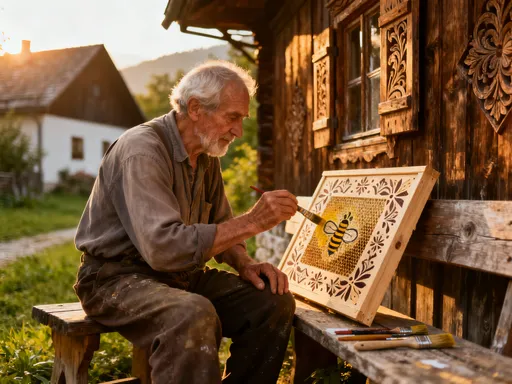
In Nagamachi, you’ll find workshops specializing in Kaga-yuzen dyeing, a method of hand-painting silk kimonos with intricate floral and nature motifs. The process can take weeks, involving multiple stages of sketching, resist application, dyeing, and steaming. Each piece is unique, reflecting the artist’s touch and the season it was made. Nearby, lacquerware artisans practice Wajima-nuri, a technique known for its durability and depth. Layers of urushi lacquer are applied by hand, sometimes up to 100 times, creating a finish that deepens in beauty over decades. These crafts are not merely decorative; they embody values of patience, respect for materials, and continuity.
Engaging with these spaces requires a mindful approach. Many studios welcome visitors by appointment or during open-house events, but unannounced entries are discouraged. When photographing, it’s essential to ask permission and avoid disrupting the work. The best images often come from small details—the curve of a brush dipped in dye, the reflection of light on a lacquered tray, or the focused expression of an artisan at their bench. These moments convey the dignity of craftsmanship in a way grander scenes cannot.
Supporting these makers by purchasing directly from their studios ensures that these traditions continue. A hand-painted fan, a lacquered chopstick case, or a silk scarf becomes more than a souvenir—it’s a connection to a living heritage. Kanazawa’s strength lies in this balance: honoring the past while allowing it to breathe in the present. These hidden ateliers are not relics but vital parts of the city’s cultural ecosystem, where art is not performed for an audience but lived every day.
Sensory Culture: Food as Art
In Kanazawa, dining is not just about sustenance—it’s an extension of the city’s artistic sensibility. Meals are composed with the same care as a painting or a garden, emphasizing seasonality, color, and balance. Kaiseki cuisine, the pinnacle of Japanese culinary art, is served in ryotei (traditional restaurants) with meticulous attention to detail. Each dish is a miniature landscape: a slice of sashimi arranged like falling petals, a grilled fish resting on a bed of mountain herbs, a clear soup with a single floating blossom. The vessels themselves—hand-thrown ceramics, lacquered trays, silver bowls—are chosen to complement the food, making every course a multi-sensory experience.
One local specialty, jibuni, exemplifies this philosophy. A rich duck stew simmered in a dark soy-based broth, it is served in a lacquered dish that enhances the warmth of the meal. The dish’s origins trace back to the Maeda clan’s kitchens, where chefs elevated humble ingredients into refined fare. Another beloved treat is the gold-leaf ice cream, where a single sheet of kimpaku is draped over vanilla soft serve. It’s not just a gimmick—it’s a celebration of Kanazawa’s identity, turning a simple dessert into a luminous moment.
No culinary journey is complete without a visit to Omicho Market, a bustling arcade of over 200 stalls that has served Kanazawa for more than 300 years. Here, the artistry is in the abundance: glistening rows of seafood, from sweet shrimp to fatty tuna, displayed like jewels; steaming baskets of fresh dumplings; barrels of pickled vegetables in vibrant hues. The market is a feast for the senses and a photographer’s delight, with natural light filtering through skylights and vendors greeting customers with warm familiarity. Sampling street food—grilled scallops, saffron rice, or matcha mochi—offers a direct taste of local life.
What ties these experiences together is a deep respect for ingredients and presentation. Food in Kanazawa is not rushed; it is savored, shared, and appreciated as part of a larger cultural rhythm. Whether in a formal kaiseki meal or a simple bowl of soba, the care in preparation reflects a worldview that values harmony, seasonality, and beauty in the everyday. For visitors, this means every meal becomes a potential highlight, not just for the palate but for the camera and the memory.
Why Kanazawa Stays With You
Kanazawa doesn’t shout for attention. It doesn’t need to. Its beauty is in the quiet moments—the way light hits a gold-leafed bowl, the sound of water in a garden stream, the brushstroke on a silk fan. Unlike more crowded destinations such as Kyoto or Tokyo, Kanazawa offers a sense of intimacy, a chance to connect with culture at a human scale. There are no long lines, no overwhelming crowds, just the steady rhythm of tradition unfolding in real time. This is not a city frozen in the past but one where history is lived, not just displayed.
What makes Kanazawa truly unforgettable is how seamlessly it blends the old and the new, the sacred and the everyday. You can spend the morning in a 400-year-old garden, the afternoon in a contemporary art museum, and the evening savoring a gold-dusted dessert—all within walking distance, all feeling equally authentic. It’s a city that rewards slowness, that invites you to look closer, to listen, to appreciate the details. And in an age of constant scrolling and fleeting impressions, that kind of depth is rare.
For travelers, especially those seeking meaningful, visually rich experiences, Kanazawa offers something profound. It reminds us that beauty isn’t just for looking at—it’s for feeling, for participating in, for carrying forward. The photographs we take are not just records but reflections of a deeper connection. When you visit Kanazawa, you don’t just see art—you step into it. And long after you’ve returned home, the golden light of this quiet city lingers, not just in your gallery, but in your heart.