You Gotta See These Hidden Natural Escapes in Kobe
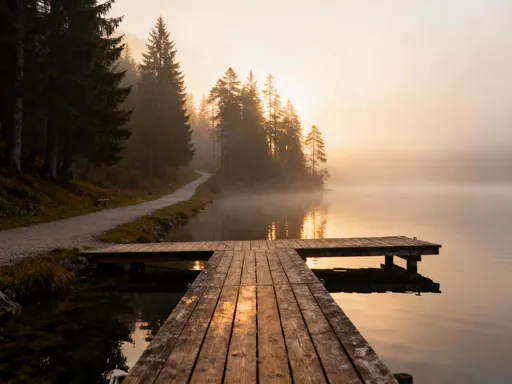
Kobe isn’t just about beef and city views—its natural side is mind-blowing. Nestled between mountains and sea, this coastal gem offers serene forests, quiet trails, and breathtaking coastal paths few tourists explore. I was blown away by how wild and peaceful it feels just minutes from the city. If you're craving nature that’s easy to reach but feels completely off the beaten path, Kobe’s green spaces should be on your radar.
Why Kobe’s Natural Areas Deserve Your Attention
Kobe’s unique position along the Seto Inland Sea and at the base of the Rokko Mountains gives it a rare blend of urban energy and untouched nature. Unlike many major cities where green spaces are limited to manicured parks, Kobe is built into the landscape—its neighborhoods curl around hills, and its borders meet both forest and water. This geography allows residents and visitors alike to step out of a train station and within minutes be walking beneath towering trees or gazing out over a calm, shimmering bay. The city’s natural areas are not just scenic add-ons; they are essential parts of daily life, offering quiet reflection, physical activity, and a deep connection to the seasons.
What makes these spaces so valuable is their accessibility. You don’t need to plan a full-day excursion or rent a car to experience them. A short bus ride, a cable car ascent, or even a 30-minute walk can transport you from downtown Kobe into a world of rustling leaves and birdsong. This ease of access means that even a half-day visit can feel restorative. For travelers seeking a break from the pace of city sightseeing, these natural escapes provide balance. They invite slower movement, deeper breathing, and a chance to notice small details—a dew-covered spiderweb, the scent of pine after rain, the distant call of a mountain bird.
Despite their beauty, many of Kobe’s natural spots remain under-visited by international tourists. Part of the reason is visibility—these places aren’t always highlighted in mainstream travel guides, which often focus on the beef, the harbor, or the iconic Chinatown. But another reason is mindset. Many visitors assume that a city known for modernity and cuisine won’t offer wild landscapes. Yet Kobe’s green spaces thrive because of the city’s respect for nature. Parks are carefully maintained, trails are well-marked, and local conservation efforts ensure that development doesn’t overwhelm the environment. This balance is part of what makes Kobe special: it’s a city that values both progress and preservation.
For those who do venture into these areas, the rewards are profound. Whether it’s the mental clarity that comes from a forest walk, the joy of capturing a perfect photo of autumn leaves against a mountain backdrop, or the simple pleasure of sipping tea at a hillside café with a view, these experiences create lasting memories. They also offer a more intimate understanding of Japanese culture, where harmony with nature is deeply rooted. By exploring Kobe’s natural side, you’re not just seeing a different landscape—you’re engaging with a different rhythm of life.
Mount Rokko: Where the City Meets the Wild
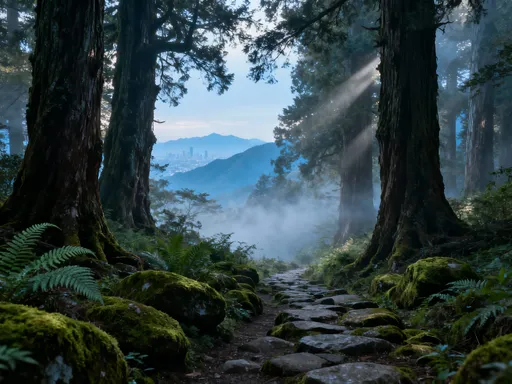
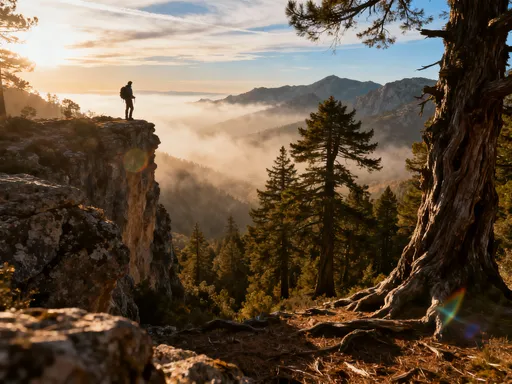
Rising sharply behind Kobe, Mount Rokko is more than a scenic backdrop—it’s a living, breathing escape into alpine beauty. At over 900 meters high, it offers a dramatic shift in climate and scenery just a short journey from sea level. As you ascend via the Rokko Cable Line or one of the hiking trails, the air cools, the city sounds fade, and the forest thickens. The mountain is covered in dense cedar, beech, and maple trees, creating a canopy that filters sunlight into soft, dappled patterns on the ground. In spring, cherry blossoms bloom along the lower slopes; in autumn, the entire range glows in shades of crimson, gold, and amber.
One of the most popular routes is the trail that begins at the base of the Rokko Cable Car and winds up through the forest to the summit. The cable car itself is a scenic experience, offering panoramic views of Kobe as it climbs the steep incline. Once at the top, visitors can explore the Rokko Garden Observatory, a sprawling alpine botanical garden that features over 7,000 species of mountain plants. The garden is thoughtfully designed, with winding paths, wooden bridges, and quiet benches placed at ideal vantage points. It’s especially enchanting in early summer when alpine flowers are in full bloom, creating a mosaic of color against the green hills.
For those who prefer a more active experience, the hiking trails on Mount Rokko range from gentle walks to moderate climbs. The Rokko Sanjo trail, for example, connects several scenic spots, including the Rokko Alpine Botanical Garden and the Rokko Michi-no-Eki, a mountain rest area with local crafts and snacks. The trail is well-paved and clearly marked, making it suitable for families and casual hikers. More experienced walkers might choose the longer route from Tanigawa Station, which follows an old pilgrimage path through quiet woodland. Along the way, you might spot deer, wild birds, or even a glimpse of a fox slipping between the trees.
To make the most of your visit, timing is key. Weekends and holidays can bring local families and school groups, especially during peak foliage season. For a quieter experience, aim for weekday mornings or late afternoons. Early autumn and late spring are ideal for weather—cool enough for comfortable walking but warm enough to enjoy outdoor cafes and open-air viewing platforms. And don’t forget your camera: the view from the summit on a clear day stretches across the Seto Inland Sea to Awaji Island and beyond, a sweeping panorama that makes the climb well worth the effort.
The Secret Beauty of Nunobiki Herb Gardens and Waterfalls
Tucked into the eastern slopes of the Rokko range, the Nunobiki area is a hidden sanctuary that blends cultivated beauty with wild nature. The Nunobiki Herb Gardens are among Kobe’s most charming green spaces, yet they remain surprisingly quiet compared to more famous attractions. Reached by a short cable car ride from Shin-Kobe Station, the gardens unfold across terraced hillsides, filled with fragrant lavender, rosemary, thyme, and dozens of other herbs. The scent in the air changes with each step, creating a sensory journey that feels both refreshing and calming. Stone pathways wind through the plantings, connecting small plazas, fountains, and viewing decks that offer framed views of the city below.
What makes this place special is the harmony between design and nature. The gardens are carefully landscaped, yet they don’t feel artificial. Instead, they enhance the natural slope of the mountain, using the terrain to create intimate spaces and dramatic overlooks. In spring and summer, the colors are vibrant—purple blossoms, silver-green foliage, and bursts of yellow and pink from seasonal flowers. Benches are placed at quiet corners, perfect for pausing with a book or simply watching the clouds drift over the bay. There’s also a small café where you can enjoy herbal tea made from garden-grown plants, a light meal, or a scoop of herb-infused ice cream.
But the true hidden gem is the Nunobiki Falls trail, a natural path that runs parallel to the gardens. Fewer visitors make the short walk to this cascading waterfall, which tumbles down a rocky cliff surrounded by moss and ferns. The sound of rushing water creates a natural white noise, masking the distant hum of the city. A wooden footbridge crosses the stream just below the falls, offering a refreshing mist on warm days. The trail continues upward into a deeper forest, where the path becomes quieter and the trees taller. It’s not a long hike—about 20 minutes from the base—but it feels like stepping into another world.
This area is ideal for a quiet morning or late afternoon visit. Arriving early means you’ll have the gardens mostly to yourself, with soft sunlight filtering through the leaves. In the evening, the cable car station is lit with gentle lights, and the city begins to sparkle below. Because the site is compact and well-organized, it’s easy to visit even with limited time. Families, solo travelers, and older adults alike will find something to enjoy. And because it’s less crowded than other attractions, it offers a rare chance to move at your own pace, breathe deeply, and reconnect with the rhythms of nature.
Arima Onsen’s Natural Surroundings: More Than Just Hot Springs
Arima Onsen, one of Japan’s oldest and most revered hot spring towns, is nestled in a lush valley just a short train ride from central Kobe. While many visitors come solely for the therapeutic baths—famous for their mineral-rich waters—the surrounding natural environment is equally worth exploring. The town is cradled by forested mountains, with a clear river running through its center. Wooden footbridges cross the water, connecting traditional inns and small shops. The air carries the scent of damp earth and pine, and the sound of flowing water is a constant companion.
Walking through Arima feels like stepping into a slower, more intentional way of life. Riverside paths invite leisurely strolls, while forest trails lead into the hills above the town. One popular route follows the edge of the river upstream, passing stone lanterns, small shrines, and quiet tea houses. The path is flat and well-maintained, making it accessible for all ages. As you walk, you’ll notice how the forest wraps around the town, creating a sense of enclosure and peace. In autumn, the trees along the river turn brilliant shades of red and gold; in spring, cherry blossoms line the banks, their petals drifting onto the water like pink snow.
The natural setting enhances the onsen experience in subtle but powerful ways. Soaking in a hot bath after a walk through the forest deepens the sense of relaxation. The contrast between the cool mountain air and the warm water heightens awareness of your body and surroundings. Many inns offer open-air baths, or *rotenburo*, where you can soak while looking out over the trees and sky. This connection to nature is part of what makes Arima special—it’s not just about physical healing, but emotional and mental renewal.
To make the most of your visit, consider combining a nature walk with your onsen time. Start with a morning hike or riverside walk to awaken your senses, then relax in the baths in the afternoon. Wear comfortable shoes and bring a light jacket, as the valley can be cooler than the city. Many visitors also enjoy trying *kaiseki* meals at their inn, featuring seasonal ingredients sourced from the region. Whether you stay overnight or visit for the day, Arima offers a complete retreat—one where nature, tradition, and wellness come together in perfect balance.
The Underrated Seaside Path at Port Island and Meriken Park
While much of Kobe’s natural beauty lies in its mountains, the city’s coastline offers a different kind of serenity. Port Island and Meriken Park form a connected waterfront area that is perfect for walking, jogging, or simply watching the world go by. Unlike crowded urban beaches, this stretch of land is designed for quiet enjoyment. Wide, paved promenades follow the curve of the bay, offering unobstructed views of the water, the Kobe Bridge, and the distant mountains. Benches are placed at regular intervals, many facing west—ideal for sunset watching.
Meriken Park, named after the English word “American,” is a tribute to Kobe’s history as an international port. Today, it’s a peaceful green space with open lawns, palm trees, and the iconic Kobe Port Tower rising in the distance. The park is home to the Maritime Museum and the restored steamship *Kanrin Maru*, but its greatest appeal lies in its simplicity. Families fly kites on the grass, couples walk hand in hand along the water, and solo visitors sit quietly with a book or camera. The atmosphere is relaxed, unhurried, and welcoming to all.
Port Island extends further into the bay, connected by a pedestrian bridge. This man-made island was designed with nature in mind, featuring wide green belts, bicycle paths, and small ponds that attract birds and dragonflies. The seawall path is especially popular for morning jogs and evening strolls. On clear days, you can see ships moving slowly across the water, their lights twinkling at night. The area is well-lit and safe, making it suitable for evening walks even when traveling alone. Public art installations and sculptures add a touch of creativity without overwhelming the natural setting.
What makes this seaside path underrated is its accessibility and versatility. It’s easy to reach by subway, with direct lines from Sannomiya and other central stations. You can spend an hour or a full afternoon here, depending on your pace. It’s also a great place to end a day of sightseeing—cooling off with a walk by the water helps reset your energy. Whether you’re drawn by the views, the fresh air, or the simple pleasure of movement, this coastal route offers a gentle, restorative experience that complements Kobe’s more dramatic mountain escapes.
Practical Tips for Exploring Kobe’s Nature Like a Local
To fully enjoy Kobe’s natural spaces, a little planning goes a long way. Public transportation is efficient and well-connected, making it easy to reach even the more remote trails. The Kobe City Bus system serves major sites like Mount Rokko and Arima Onsen, with clear signage in English. The Rokko Cable Car and the Nunobiki Cable Car are both scenic and functional, offering quick access to elevated viewpoints. For Arima, the private railway from Sannomiya Station is reliable and frequent. If you plan to visit multiple spots in one day, consider purchasing a one-day pass for the bus or train network—it can save both time and money.
When it comes to gear, comfort is key. Wear sturdy walking shoes with good grip, especially for forest trails that can be uneven or slippery after rain. Layers are recommended, as temperatures can vary significantly between the city and mountain areas. A light rain jacket is useful, even in summer, as mountain weather can change quickly. Bring a reusable water bottle—many parks have drinking fountains—and a small backpack for snacks, a camera, and any personal items. Sunscreen and a hat are wise choices on exposed trails or open waterfront paths.
Timing your visits can make a big difference in your experience. Mornings are often the best for nature walks—cooler temperatures, softer light, and fewer people. Weekdays are generally quieter than weekends, especially during school holidays and peak foliage season. If you’re visiting in summer, aim for early morning or late afternoon to avoid the midday heat. In winter, the trails are less crowded, and the crisp air makes for invigorating walks, though some cable car services may have reduced hours.
To combine multiple natural spots efficiently, consider a route that moves from high to low elevation. Start with Mount Rokko or the Nunobiki Gardens in the morning, then descend to Arima Onsen for lunch and relaxation. In the late afternoon, head to Meriken Park for a sunset walk. This progression allows you to experience different environments while minimizing travel time. With good planning, you can see the best of Kobe’s nature in a single, fulfilling day.
Why Connecting with Nature Makes Your Kobe Trip Unforgettable
Kobe is a city of contrasts—modern and traditional, urban and natural, bustling and serene. But what makes it truly special is how seamlessly these elements coexist. The natural spaces are not separate from the city; they are woven into its fabric. This harmony invites visitors to slow down, breathe deeply, and experience a different kind of travel—one that values presence over pace, quiet over noise, and connection over consumption.
Spending time in Kobe’s forests, mountains, and coastal paths offers more than just scenic views. It provides mental clarity, emotional balance, and a renewed sense of well-being. In a world that often feels rushed and overwhelming, these green spaces are a reminder of the healing power of nature. They offer a chance to unplug, to listen to the wind in the trees, to feel the sun on your face, and to remember what it means to be present.
For women in their 30s to 55s—many of whom balance family, work, and personal responsibilities—this kind of experience can be especially meaningful. It’s not about adventure or adrenaline; it’s about restoration. It’s about finding moments of peace, beauty, and self-reflection. And in Kobe, those moments are not hidden in distant wilderness—they are within easy reach, waiting just beyond the next cable car, trailhead, or seaside path.
So as you plan your trip, look beyond the famous beef and the harbor views. Step into the forest, walk beside the waterfall, soak in the quiet of a mountain town. Let Kobe surprise you with its wild heart. Because the most memorable journeys aren’t always the longest—they’re the ones that touch your soul. And in Kobe, nature doesn’t just surround the city; it lives within it, ready to welcome you with open arms.